Garden Clearance in Merton
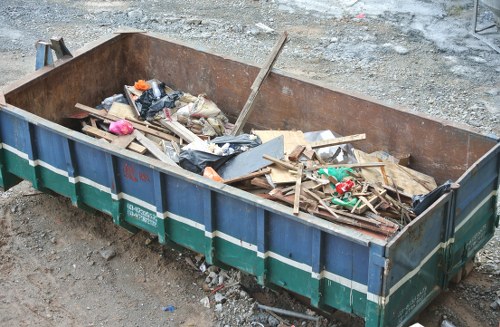
Garden clearance in Merton should leave outdoor spaces ready for planting, pruning, repair or simple enjoyment, without the mess that can build up after seasonal work or a long period of neglect. We handle the removal of green waste, old pots, broken fencing offcuts, general outdoor clutter and other unwanted materials that no longer belong in the garden. The aim is straightforward: clear the space carefully, sort what can be taken away, and leave the area tidy enough for the next stage of work.
This service suits front gardens, back gardens, side returns, courtyards and shared outdoor areas where access, volume and material type can vary. Some jobs are mainly light green waste; others include mixed items such as timber, soil, plant containers, tired furniture or dismantled features. We work in a way that keeps the process practical and orderly, with attention to separation, loading and disposal. If you need a clearer picture of the work involved, you can request a quotation once you know the scope.
The benefit of a well-planned clearance is that the garden becomes usable again without unnecessary disruption. That may mean a one-off tidy-up after hedge cutting, a larger clearance before landscaping, or removal of accumulated debris after several seasons. Careful sorting matters because not every item is handled in the same way, and keeping material organised helps the job move smoothly from collection to disposal.
What our garden clearance covers
Garden clearance typically begins with the obvious material: cut branches, clippings, leaves, weeds and general green waste. From there, the work can extend to more awkward items that often sit at the edge of a garden, such as cracked plant pots, unused timber, rotten sleepers, worn screening, broken ornaments and dismantled shed contents. The scope is adjusted to the site, so a small courtyard does not need the same approach as a large overgrown plot.
We also clear mixed outdoor rubbish where it is sensible to do so, including items that have been stored outside because they were no longer wanted indoors. That can include garden tools beyond repair, metal offcuts, plastic planters, old hose reels, tarpaulins and packaging left behind after outdoor work. Where material has been stacked for a while, the job is often improved by breaking it down into manageable sections before loading. If you already know the main items, send those details when you ask for a price so the quotation matches the likely workload.
Green waste and bulky outdoor materials
Green waste is usually straightforward, but volume can still make a difference. A few bags of hedge trimmings are very different from a dense pile of branches, root balls and tangled stems. Bulky outdoor materials may take longer to move, especially where access is narrow or the pile has been left to compact. Our approach is to remove the material cleanly and avoid leaving loose debris behind, so the space is ready for sweeping or the next phase of gardening.
Clearing overgrown and neglected gardens

Some gardens need more than a quick tidy. Overgrown spaces can contain dense vegetation, hidden waste and broken items that only become visible once the surface growth is cut back. In those cases, clearance is often best done in stages: first opening access, then separating green waste from reusable or disposable items, and finally removing the accumulated material in a controlled way. This reduces the chance of missing debris and helps the garden become safer to work in.
Neglected gardens may also include concealed hazards such as sharp metal, unstable piles, old glass, rusty fixtures or waterlogged material. We treat these spaces with care, taking the time needed to move waste safely and to keep pathways usable during the job. Where vegetation has grown around structures, fences or sheds, clearance may need a slower pace to avoid unnecessary damage. Not every garden can be emptied in one quick sweep, so the work is planned around what is actually present.
For customers comparing options, it is useful to think about access, amount and mixture of material rather than only the final pile size. A compact stack of heavy branches can take more handling than several light bags of weeds. Likewise, a garden with mixed rubbish often needs more sorting than a space containing only cuttings. Clear information helps set expectations and keeps the work aligned with the site itself.
Outdoor items, dismantling and tidy removal
Garden clearance is often about more than vegetation. Many outdoor areas contain bulky items that need dismantling or careful movement before they can be removed. That may include old garden furniture, plant stands, raised beds, broken storage units, damaged trellis, sheds in poor condition and small structures that are no longer useful. When a feature must be taken apart first, the task is handled methodically so that pieces can be loaded safely and the surrounding area is not left littered with fragments.
It is also common for gardens to hold items that started life elsewhere: household goods moved outside, DIY offcuts, packaging, or spare materials from previous projects. We can remove those alongside the garden waste so that one clearance deals with the whole problem rather than just part of it. Where an item can be separated for recycling or a different disposal route, sorting it properly is part of keeping the process responsible and efficient.
- Branches, clippings, leaves and hedge trimmings
- Old pots, planters and broken outdoor containers
- Worn furniture and damaged garden storage
- Timber, fencing offcuts and dismantled outdoor features
- General mixed waste gathered from outside spaces
Access, sorting and disposal decisions
Good clearance work depends on more than lifting and carrying. Access can shape the whole job, especially where gates are narrow, paths are uneven or waste must be moved through the house side entrance rather than straight to a vehicle. Sorting matters too, because garden material is rarely uniform. Green waste, timber, metal, plastics and inert rubble all need different handling. When a site contains several types of material, separating them at the outset can save time and reduce confusion later in the process.
Disposal decisions should follow the material itself. Organic waste is handled differently from mixed rubbish, and reusable or recyclable items should not be treated as though they were all the same. That is why a careful clearance is not just about emptying space; it is also about deciding what should be loaded together and what needs a separate route. If you are preparing to enquire, one simple list of the main items is usually more useful than a long description. A few clear notes are enough to start a sensible quotation.
We keep the work focused on the practical outcome: remove the unwanted material, leave the site orderly, and make sure the clearance matches the type of waste present. That approach is useful whether the job is a small domestic tidy-up or a larger garden with several different piles, containers and broken features. Clear descriptions and clear access help the work begin smoothly and allow the right equipment and labour to be used.
Preparing for a garden clearance

A good enquiry does not need a long checklist, but a few details help a quotation reflect the work properly. It is helpful to mention the type of waste, whether the garden contains only green material or a mix of items, and whether there are any access limits such as side gates, steps, parking restrictions or shared entrances. Photographs can also be useful if the clearance includes dense piles or items that are difficult to describe in words.
If the garden includes pieces that may need dismantling, say so early. That applies to old sheds, wooden frames, fences, raised beds and similar features that are no longer intact. It is also worth noting whether anything should be left in place, because not every item in a garden is intended for removal. The clearer the scope, the easier it is to set out what will be taken and what will remain. Use plain, practical details rather than trying to describe the job in broad terms alone.
Once the arrangement is clear, the job can be planned around the actual site conditions. That is especially useful where there is a mixture of garden waste and household clutter, or where the clearance needs to happen before another trade can begin work. If you want to move ahead, ask for a quotation when you are ready and include the main items in your message.
Garden clearance and seasonal upkeep
Many clearances are driven by the seasons. After pruning, a garden can quickly fill with cuttings, branches and soft waste that need removing before the next job begins. In other cases, a prolonged period of weather and growth leaves beds, borders and corners with layers of debris that are easier to clear in one organised visit. Seasonal clearance is useful because it restores order without waiting for the garden to become unmanageable again.
Spring and autumn often bring the most obvious changes, but the same service can help at any point where the outdoor space has drifted out of use. Clearing old growth and accumulated rubbish creates a better base for mulching, replanting, repairing boundaries or simply keeping the area neat. It is also easier to notice what needs attention once the excess material has been removed. That makes clearance a useful first step before larger garden plans are carried out.
Where different materials are mixed together, the work may be more involved than a simple green-waste pickup. A garden can contain soft growth, hard landscaping debris, and domestic items all in one place, so the clearance has to be organised rather than rushed. The most useful result is not just an empty pile, but a site that has been handled in a way that supports whatever comes next.
About Merton
Merton is a borough in south-west London that brings together a varied collection of districts, streets and open spaces shaped by both suburban development and older settlement patterns. Wimbledon is the best-known part of the borough, with its long association with tennis and a town centre that combines shopping, transport links and residential streets. Mitcham has a different character, with a history that reaches back much further and a centre that still reflects its historic village origins in places. The borough also includes Colliers Wood, Morden, South Wimbledon and Raynes Park, each with its own built form and local identity. Morden Hall Park, managed by the National Trust, provides one of the area’s most recognisable green spaces, with open parkland, waterways and historic landscape features that sit close to busy routes and housing. Wimbledon Common is another significant landmark, notable for its heathland, woodland and broad recreational use. The River Wandle runs through parts of the borough, creating a corridor of water, wildlife and industrial history that has influenced settlement and land use for generations. In the western sections, routes such as the A3 and rail connections link Merton closely to central London and neighbouring boroughs, while the streets around Wimbledon Village and Merton Abbey show different layers of architecture and urban growth. The borough’s mix of parks, residential neighbourhoods, commercial centres and historic landmarks gives it a varied local character that is easy to notice in everyday travel across the area.
Why a structured clearance approach helps

A structured garden clearance is useful because outdoor waste is rarely uniform. One corner may hold cut branches, another may contain a broken table, and another may have old soil, sacks or forgotten tools. Treating everything as a single pile can make the job slower and less tidy. By grouping material sensibly, the clearance becomes more manageable and the space can be left in a better condition at the end of the visit. That is especially important when the garden is being prepared for work by another contractor.
The same approach also helps when the site includes both light and heavy items. Branches and leaves can be moved differently from damp compost, broken timber or rusted metal. If items are too mixed together, the job may take longer because each section has to be separated before loading. A thoughtful clearance allows the work to proceed in a logical order, with less chance of missed debris or awkward leftovers around edges and corners. That kind of discipline is part of a tidy finish.
If you are comparing providers, look for clarity about what is included and how mixed waste is handled. The best result is usually the one that matches the actual garden rather than a generic idea of clearance. Not every outdoor job is the same, so the service should follow the site, the materials and the access available. When those points are clear, the quotation and the work tend to follow a much more sensible path.
Requesting a quotation for your garden clearance
A quotation is easiest to prepare when the main features of the job are clear. Mention whether you need a light tidy-up, a full garden clearance or removal of specific items such as branches, old furniture, timber, fencing or mixed rubbish. If the garden is overgrown, it helps to say whether access is still straightforward or whether the waste must be carried through a narrow side route. Even a short description can be enough to show the likely scale of the work.
For larger or more complicated clearances, it is sensible to note anything that changes the way the job is carried out. That might include uneven ground, shared access, items built into the garden, damp waste, or the need to dismantle features before removal. A single clear message is often better than sending several separate notes. The goal is to keep the request practical, so the estimate reflects the real job rather than a rough guess. If you are ready to go ahead, request a quotation with the main items and access details.
We keep the emphasis on straightforward, dependable clearance work for gardens in Merton and the surrounding neighbourhoods within the borough. Whether the task is seasonal, restorative or part of a wider project, the service is designed to remove the unwanted material and leave the outdoor area ready for what comes next. Start with the main items, note any access issues and send the details when you are ready.
Final checks before the work begins
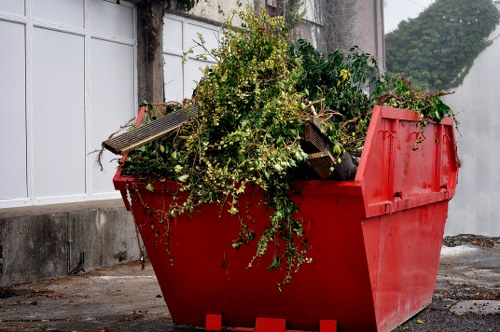
Before a clearance starts, it is sensible to confirm which items should go and which should stay. This matters in gardens where some materials are reusable, sentimental or intended for another task. A quick check at the outset prevents confusion later, especially where similar-looking piles sit close together. It also helps to make sure gates are unlocked, pathways are usable and any obvious obstacles are mentioned in advance, because access can affect the way material is carried out.
When the scope has been agreed, the job can be approached in a measured way that keeps the site in order. The most useful outcomes are usually the simplest ones: the unwanted waste is removed, the ground is left clear, and the space is ready for the next decision. If the garden contains a lot of mixed material, the clearance may take a little more organisation, but that effort usually pays off in a cleaner result and a better overall finish.
If you need garden clearance in Merton, the next step is straightforward: gather the main details, decide what needs removing and ask for a quotation. A clear request makes it easier to set out the work properly and helps the clearance move ahead without unnecessary delay.